Companion Podcast
In this episode of the NACMA Timeout Podcast, host Zach Dayton sits down with Nebraska’s Tyler Kai to discuss the high-stakes execution of the legendary Husker Volleyball reseating project.
Podcast Guest
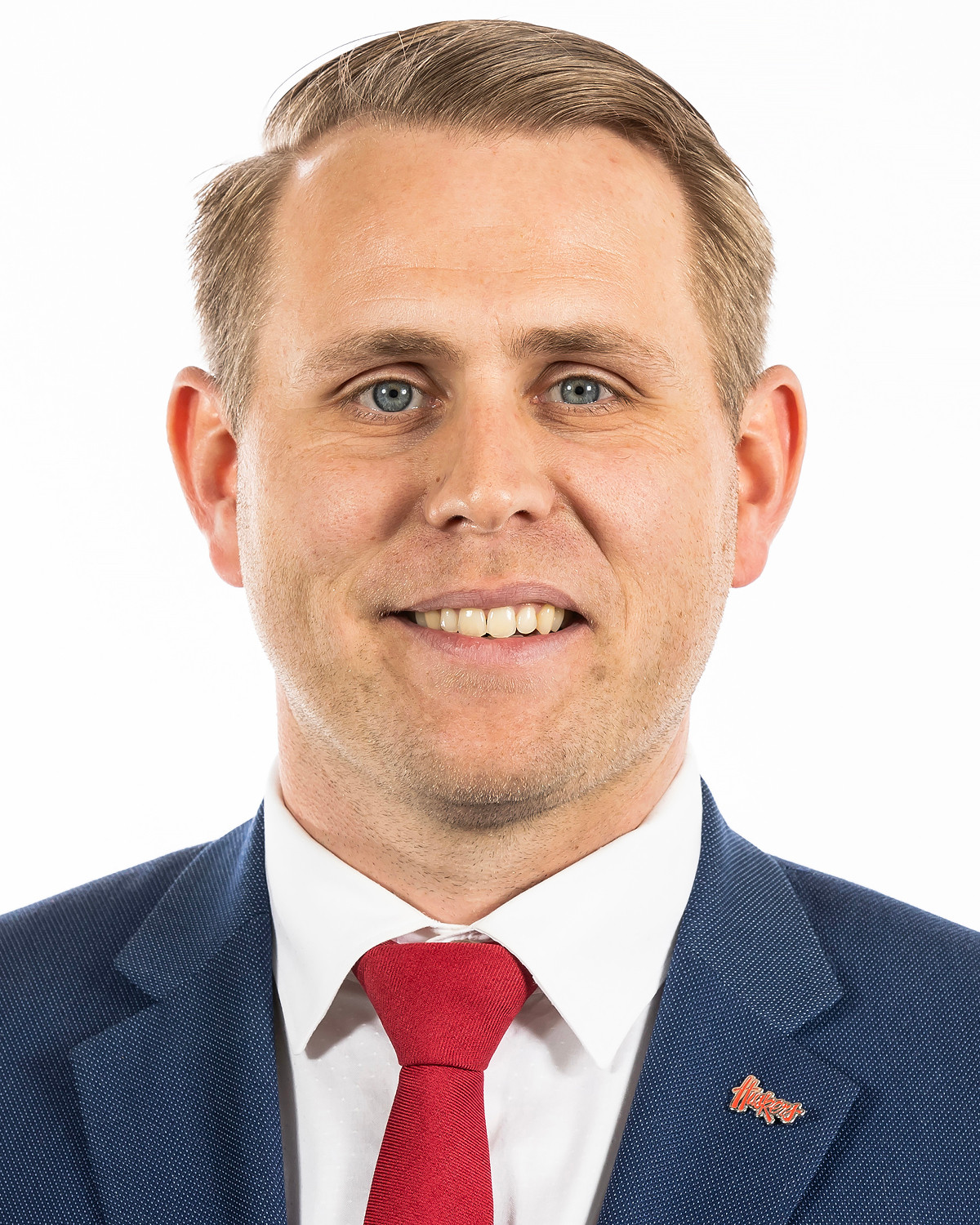
Tyler Kai
Deputy AD, Revenue Generation
University of Nebraska
Executive Overview
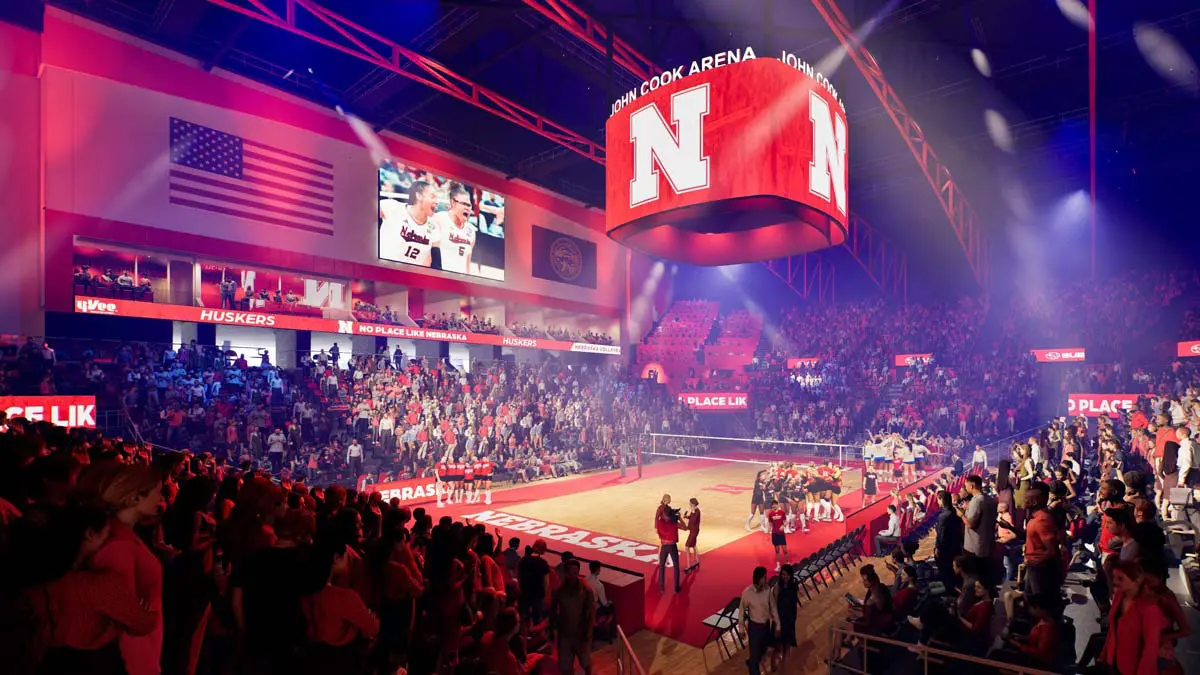
With a 25-year sellout streak and a 99% renewal rate, Nebraska Volleyball faced a unique paradox: success had created total inventory gridlock. Long-time fans were unable to upgrade, and thousands on the waitlist had no viable pipeline to access season tickets.
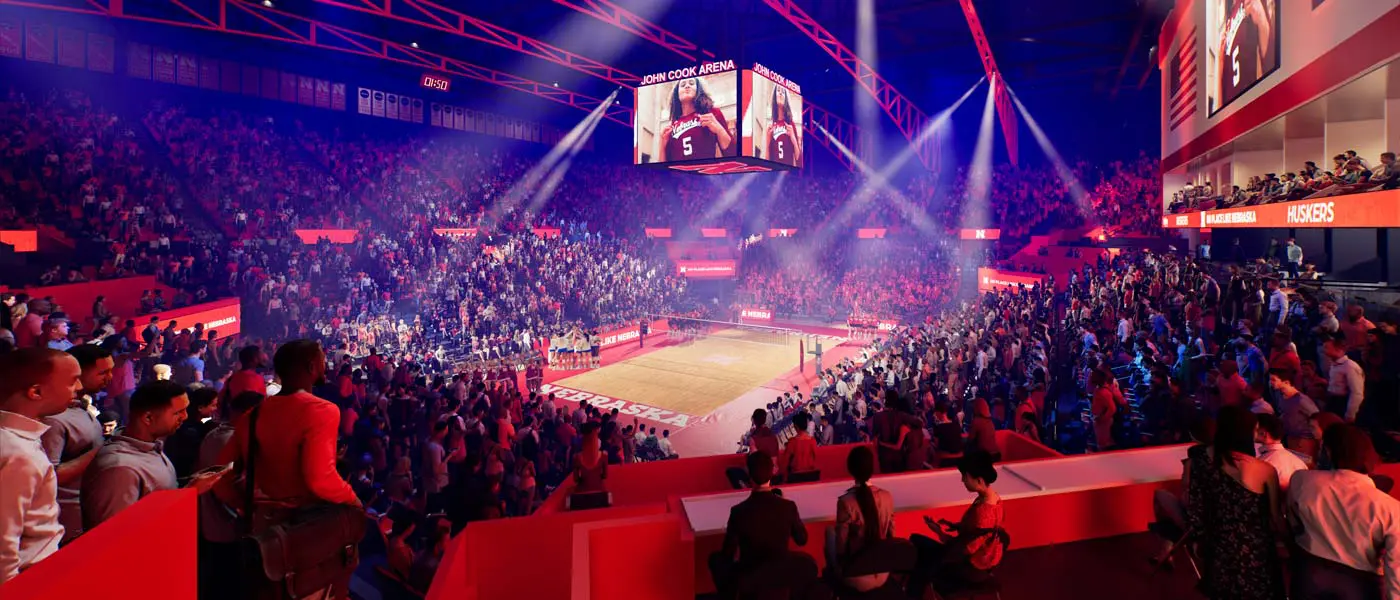
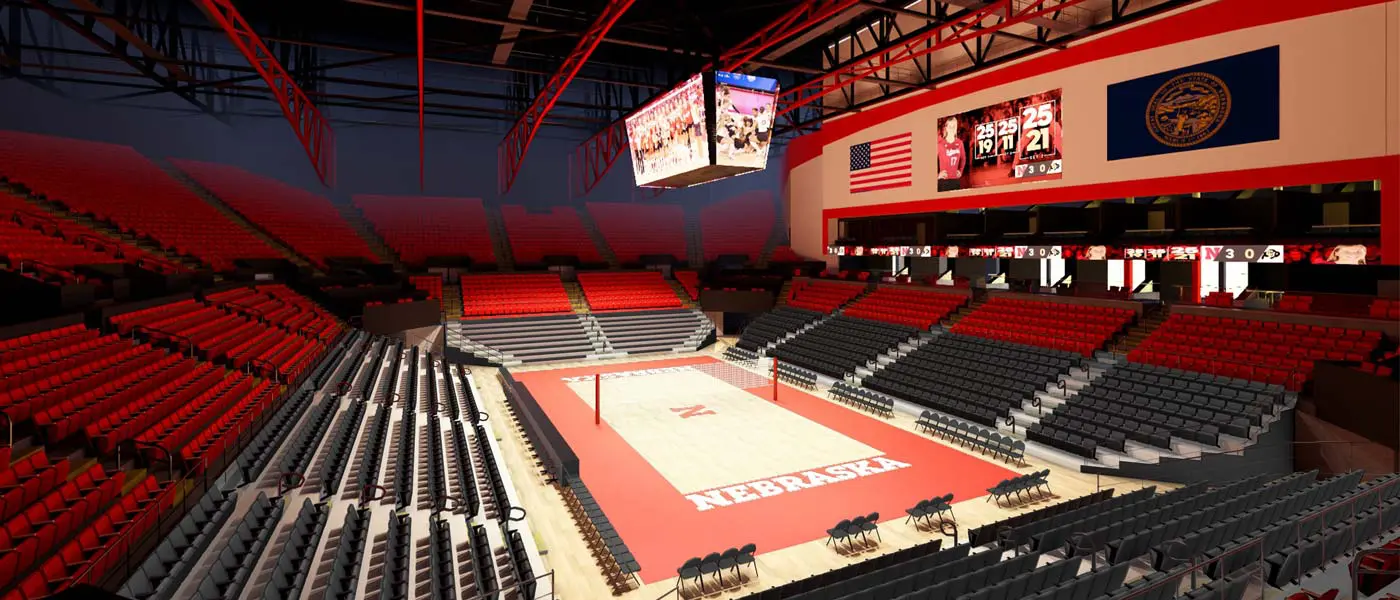
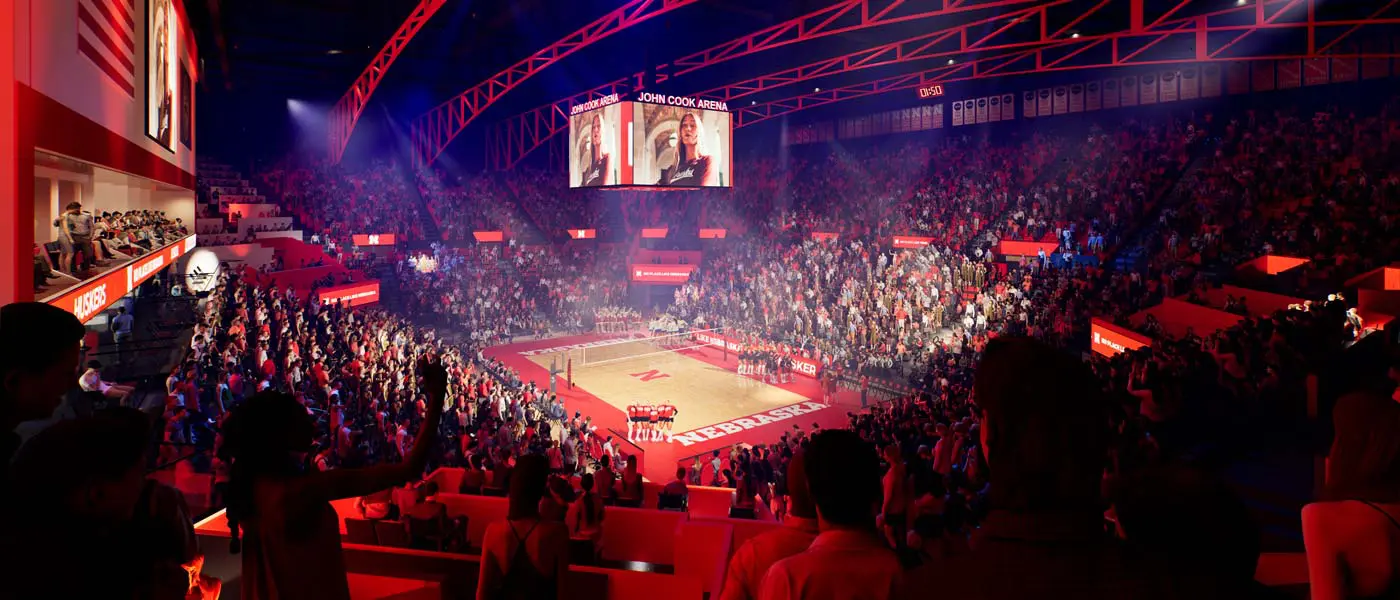
To solve this, the department launched the first-ever massive reseating of the Bob Devaney Sports Center, coinciding with an expansion to 10,000 seats.
The project represents a delicate balance of maximizing a projected $4 million in new annual revenue while managing the expectations and anxieties of a generational fan base.
Empathy-Driven Transparency
Recognizing the anxiety of long-term fans through face-to-face accountability.
View Full Project TimelineVisual Microsite & FAQ "Gates"
The department launched a "visual-first" microsite to serve as the single source of truth. Information was released through periodic "gates"—FAQs, pricing, and logic—to avoid information overload and ensure fans were advising themselves correctly before selection day.
Face-to-Face Accountability
The team committed to "tabling" at every home match throughout the season. Putting fundraising and ticket staff on the front lines gained respect from the fanbase, as they were willing to "take it on the chin" and have difficult, personal conversations about changing seat locations.
The Hybrid Priority Model
"Threading the needle" between donor investment and historical fan service.
Explore Selection Order & Limits-
A
Leadership First, Then Alternating
Top-tier Leadership Society donors select first, but the system then alternates between current season ticket holders and the interest list. This ensures the pipeline for new fans opens without abandoning the core base.
-
B
The $100 Access Guarantee
To diffuse the fear of displacement, Nebraska guaranteed that any current season ticket holder who donates at least $100 will have an opportunity to select seats, preserving access for the broader community.
-
C
Quantity Maximums
By implementing strict seat caps based on giving levels, the department successfully broke the "hoarding" effect of prime inventory, freeing up seats for fans who had been on the waitlist for decades.
De-Risking with "Dry Runs"
Using low-stakes scenarios to test high-stakes infrastructure.
The "Low-Stakes" Postseason Test
To de-risk the June reseating, Nebraska utilized its 2025 NCAA Tournament hosting duties as a live logic test. By applying the new selection order and quantity maximums to postseason tickets, fans became familiar with the digital interface and priority order before the high-stakes permanent selection period.
This "dry run" provided the revenue analytics team with live data on fan behavior and potential friction points, allowing for critical technical refinements months before the final launch.
Centralized Revenue Architecture
Eliminating silos to create a unified strategy for elite resourcing.
Single Vertical Oversight
Nebraska centralized its revenue generating units—fundraising, ticket sales, service, and operations—under one Deputy AD. With close to 30 people reporting up through a single vertical, the department eliminated the fragmentation that often causes marketing and sales strategies to fail.
The Analytics Backbone
By making significant investments in revenue analytics, Nebraska provides staff with daily dashboards. This professionalized approach ensures that decisions are based on real-time results, allowing the team to prioritize high-impact outreach and activity across all sports.
Senior Leadership Takeaways
Break the Success Gridlock
25-year sellouts are a blessing and a curse. Use expansion and reseating to open a pipeline for new fans and upgrade paths for legacy holders.
Centralize Revenue Units
Fragmented strategies fail. Centralizing ticketing, fundraising, and NIL under one vertical ensures coordinated pricing, packaging, and promotion.
Leverage the Analytics Edge
Invest in revenue analytics dashboards. Strategy is more effective when the team can see the daily result of their outreach and activity.
The Result: Resourcing Elite Competition
By committing to a coordinated approach between ticketing and fundraising, Nebraska has successfully positioned itself to unlock millions in latent revenue while stewardship remains at the forefront.
— Tyler Kai, Deputy AD, Revenue Generation